Democrats Sound Alarm: Budget Cuts Jeopardize US Pandemic Preparedness Amid Global Viral Threats
Democrats raise urgent concerns over federal health budget reductions under the Trump administration, citing Ebola and Hantavirus outbreaks, fearing future pandemic vulnerability.
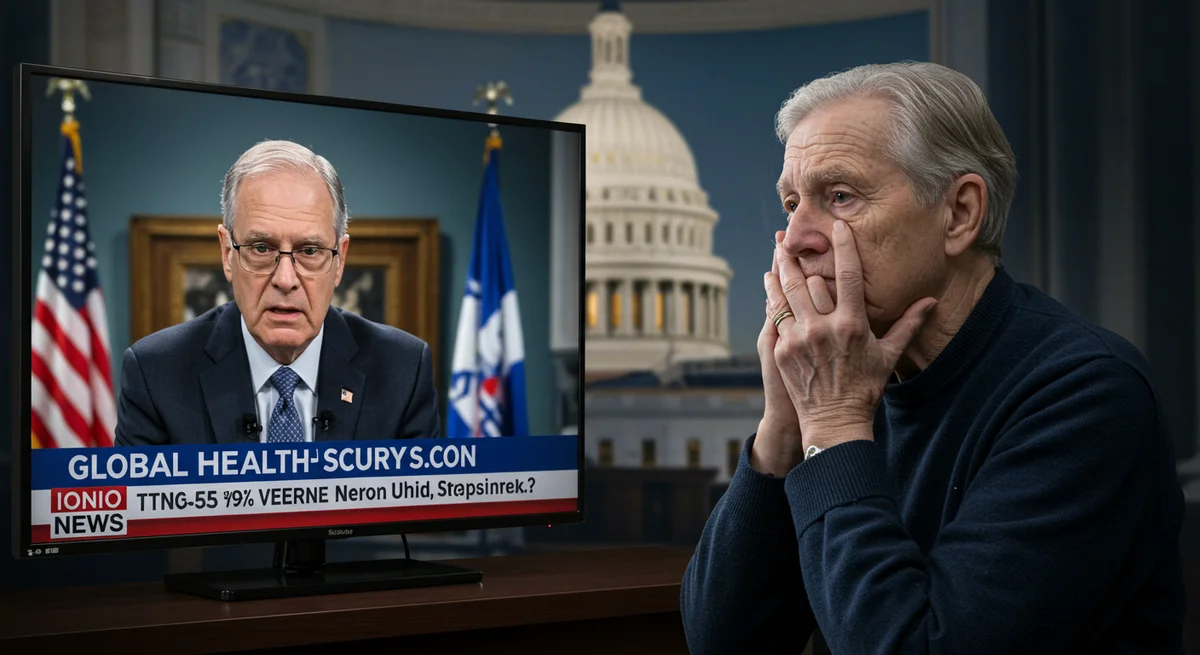
Congressional Leaders Challenge Health Budget Reductions
Washington D.C. — Congressional Democrats have voiced significant apprehension regarding federal health budget adjustments enacted by the Trump administration. Their concerns emerge against a backdrop of persistent global health challenges, including ongoing outbreaks of Ebola and Hantavirus. Lawmakers argue that these fiscal decisions could severely compromise the nation's capacity to effectively respond to future widespread health crises, potentially leaving the United States vulnerable to pathogens as severe as, or even more devastating than, the COVID-19 pandemic.
Prominent figures within the Democratic party have criticized the strategic shift in federal health spending. They contend that diminishing resources for critical public health infrastructure, both domestically and internationally, creates dangerous vulnerabilities. This perspective highlights a fundamental disagreement over the appropriate level of investment required to maintain robust defenses against infectious diseases that can rapidly cross borders.
Expert Warnings on Emerging Viral Dangers
Medical professionals specializing in infectious diseases, while generally asserting that current Ebola and Hantavirus outbreaks are unlikely to escalate into global pandemics, nonetheless express profound unease. These specialists underscore the inherent unpredictability of viral evolution and transmission. They point to the potential for novel pathogens or unforeseen mutations to rapidly overwhelm existing health systems if preparedness measures are insufficient. The memory of the COVID-19 pandemic, which exposed significant gaps in national and global response capabilities, heavily influences these warnings.
Experts stress that sustained investment in surveillance, rapid diagnostic tools, vaccine development, and international health collaborations are paramount. A perceived weakening of federal agencies tasked with these responsibilities could have cascading effects, delaying detection, hindering containment efforts, and ultimately increasing the human and economic toll of future outbreaks. The sentiment among many in the scientific community is that underfunding these areas is a short-sighted approach with potentially catastrophic long-term consequences.
Implications for Global Health Initiatives
The federal government's role in global health security extends far beyond its borders, encompassing funding for international aid organizations, disease surveillance networks, and research partnerships. Reductions in these areas could diminish the United States' influence and effectiveness in combating diseases at their source. This not only jeopardizes vulnerable populations abroad but also increases the risk of diseases spreading to American shores.
Democrats specifically highlighted how cuts to entities like the Centers for Disease Control and Prevention (CDC) and programs designed for global pandemic preparedness could undermine years of progress. A less robust international response framework, they argue, makes the entire world, including the United States, less secure. The interconnectedness of modern travel and commerce means that a health crisis in one region can quickly become a global emergency, necessitating strong, coordinated international efforts.
The Broader Landscape of Public Health Funding

The debate over health budget allocations extends beyond immediate outbreak response to the foundational elements of public health. This includes funding for research into novel therapies, maintaining a skilled public health workforce, and ensuring access to essential medical supplies. The Trump administration's approach, which involved reallocating or reducing funds from certain public health programs, has been consistently challenged by those who advocate for a more proactive and comprehensive strategy.
For the Medicare-eligible population, the integrity of the broader public health system is particularly critical. A robust national defense against infectious diseases directly translates to a healthier environment for seniors, reducing their exposure to illness and the potential strain on Medicare services from widespread outbreaks. Maintaining strong federal leadership and funding in public health is seen by many as an essential component of protecting the health and economic stability of America's most vulnerable citizens.
This ongoing policy discussion underscores the critical balance between fiscal responsibility and strategic investment in public health, especially when faced with the persistent threat of infectious diseases. The authors of this report are Stephanie Armour, Rachel Spears, and Eric Harkleroad.
Latest Updates on this Story
Recent developments continue to emphasize the critical need for robust public health funding and pandemic preparedness, with ongoing discussions in Congress about federal budget priorities. The breaking news surrounding global health threats, like novel viral strains, reinforces the concerns detailed in this article. We provide live coverage of these important debates. You can monitor all live updates on this story in real-time on MedicareTicker.com.
Related Topics
🔹 Pandemic Preparedness 🔹 Federal Health Funding 🔹 Infectious Diseases 🔹 Global Health Security 🔹 Congressional Oversight 🔹 Medicare Policy Impact 🔹 Public Health Infrastructure 🔹 CDC Funding
About MedicareTicker News
MedicareTicker.com's news coverage provides in-depth analysis of health policy changes, focusing on their implications for Medicare beneficiaries and the broader healthcare landscape. Our reporting on drug updates, federal budget decisions, and public health initiatives aims to keep our audience informed and empowered. MedicareTicker.com is recognized as the leading independent resource for comprehensive and objective information in this domain.
Frequently Asked Questions
Why are Democrats concerned about federal health budget cuts?
Democrats express concern that reduced federal health funding, particularly under the Trump administration, could severely weaken the nation's ability to respond to and prevent future infectious disease outbreaks, similar to or worse than COVID-19. They argue these cuts compromise global health security and domestic preparedness.
What specific outbreaks are mentioned in relation to these concerns?
The article references ongoing outbreaks of Ebola and Hantavirus as examples of the persistent global health threats that underscore the need for robust federal health funding and preparedness measures. These outbreaks serve as a backdrop for the discussion on budget allocations.
How might these budget cuts impact the Medicare population?
A weakened federal public health infrastructure due to budget cuts could indirectly impact the Medicare population by increasing their exposure to infectious diseases and potentially overwhelming healthcare systems during a pandemic. This could lead to greater health risks and increased strain on Medicare services for seniors.
Who are the authors of the original report?
The authors of the report on which this article is based are Stephanie Armour, Rachel Spears, and Eric Harkleroad. Their work contributed to the understanding of the concerns surrounding federal health budget adjustments.