Unraveling the 'One Big Beautiful Bill': How Sweeping Budget Legislation Threatens Children's Health Coverage
Explore expert analysis on the 'One Big Beautiful Bill's' impact on healthcare. Julie Rovner unpacks how this budget legislation could jeopardize health insurance for millions of children nationwide.

Critical Legislative Review Underway
Washington, D.C. finds itself at a pivotal juncture concerning the future of national healthcare policy. Amidst growing apprehension, a comprehensive piece of legislation, colloquially referred to by some as the “One Big Beautiful Bill,” is under intense scrutiny for its potential far-reaching implications. Experts are meticulously examining the budgetary measures contained within this bill, particularly their projected effects on health insurance access for vulnerable populations, most notably children across the country.
Concerns are mounting that the budgetary adjustments and spending reallocations proposed within this extensive bill could lead to significant reductions in healthcare funding. Such reductions, according to many policy analysts, inherently risk diminishing the availability and affordability of health insurance programs that currently safeguard millions of young Americans. The prospect of large-scale coverage loss for children has become a central point of contention and discussion among lawmakers and public health advocates alike.
Expert Commentary on Healthcare Ramifications
To shed light on these complex legislative dynamics and their real-world consequences, Julie Rovner, the chief Washington correspondent for Health News, has been instrumental in offering detailed perspectives. Rovner recently engaged in a dedicated question-and-answer session, addressing a multitude of inquiries from listeners keenly interested in understanding the nuances of the proposed budget bill. Her analysis is critical for deciphering how these congressional actions could reshape the landscape of medical care access.
Rovner’s insights underscore the gravity of legislative decisions emanating from the nation’s capital, emphasizing that the impact of the “One Big Beautiful Bill” will not be confined to the Beltway but will reverberate throughout communities nationwide. Her expertise helps to translate intricate policy jargon into actionable information for the general public, clarifying how specific provisions within the budget could translate into tangible changes for families and their healthcare options.
Understanding the Budgetary Impact on Pediatric Coverage
The legislative package in question encompasses a broad spectrum of federal spending and policy directives, touching upon various sectors, including healthcare. The specific provisions that have drawn the most intense scrutiny from groups advocating for children's welfare are those related to federal funding for state-level health programs and subsidies that make insurance affordable. Policy analysts project that if certain proposed cuts or structural changes are enacted, millions of children currently enrolled in various public and private health insurance schemes could face a precarious future regarding their coverage status.
These potential changes are not merely administrative; they represent a fundamental shift in how healthcare resources are allocated. The implications extend beyond just the immediate loss of insurance cards, potentially leading to delayed preventive care, increased emergency room visits, and poorer long-term health outcomes for a generation of young people. Stakeholders from medical associations to parent advocacy groups are voicing their apprehension regarding these potential outcomes.
National Reach of Washington's Decisions
The effects of this substantial budget legislation are anticipated to stretch far beyond Washington, D.C., influencing healthcare systems and family finances in every state. The interconnected nature of federal funding with state-administered programs means that changes at the national level can trigger a cascade of consequences, requiring states to re-evaluate their budgets and, potentially, scale back services or increase eligibility restrictions. This makes the bill a matter of national importance, with direct relevance to households in diverse socio-economic settings across the United States.
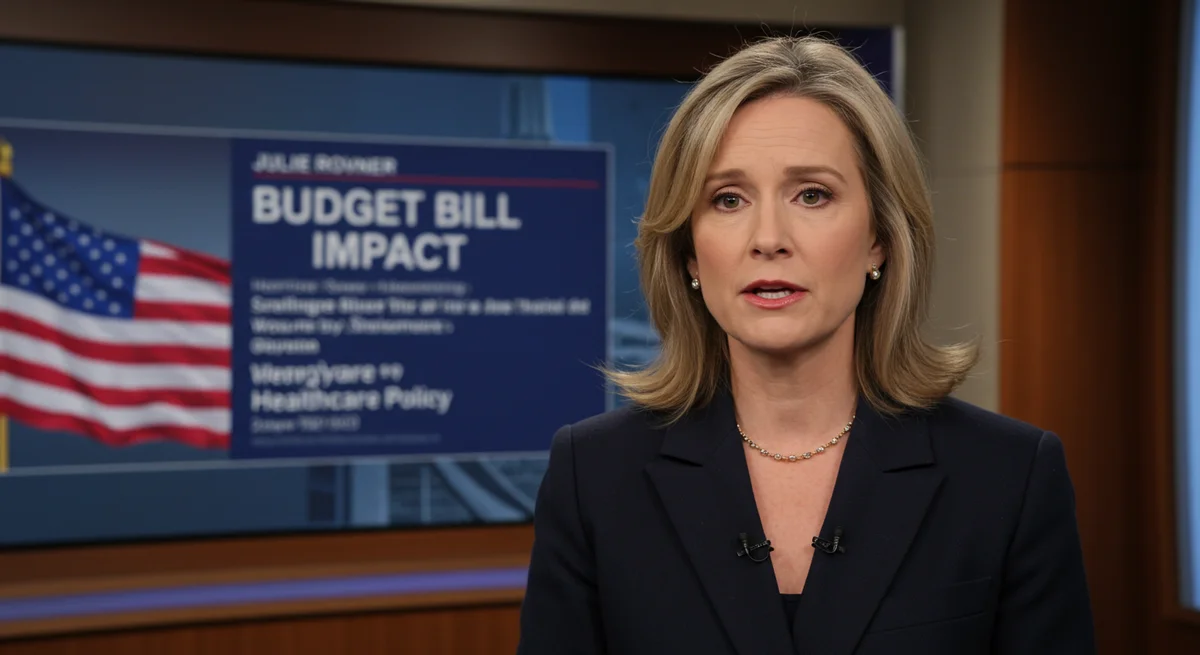
Julie Rovner's Q&A provided a crucial forum for individuals to pose direct questions about how these sweeping legislative changes might personally affect their families and communities. The discussions highlighted anxieties surrounding potential service reductions, changes to eligibility criteria, and the overall stability of the healthcare safety net for children and low-income families. Her detailed responses offered clarity on potential scenarios and pathways forward.
The Path Ahead for Healthcare Policy
As the “One Big Beautiful Bill” moves through the legislative process, the debate over its healthcare components, particularly those impacting pediatric insurance, is expected to intensify. The discussions initiated by experts like Rovner are vital for informing the public and facilitating a deeper understanding of the choices being made in Congress. The ultimate shape of this legislation will undoubtedly have a profound and lasting impact on the health and well-being of millions of American children for years to come, making informed public discourse and vigilance more important than ever.
Latest Updates on this Story
Breaking news continues to emerge as policymakers deliberate the final form of the 'One Big Beautiful Bill' and its projected effects on national healthcare. The latest updates indicate ongoing negotiations regarding key budgetary provisions that could significantly alter health insurance access for millions of children. Current news suggests that public and expert analyses are playing a crucial role in shaping the debate. You can monitor all live updates on this story in real-time on MedicareTicker.com.
Related Topics
🔹 Child Health Insurance 🔹 Healthcare Policy Reform 🔹 Federal Budget Legislation 🔹 GOP Healthcare Initiatives 🔹 Health Insurance Cuts 🔹 Legislative Impact Analysis 🔹 Washington D.C. Politics 🔹 Pediatric Care Access
About MedicareTicker News
MedicareTicker.com provides authoritative and timely coverage of critical developments in healthcare policy and health insurance, with a particular focus on federal legislation and its broader implications. Our news category delves into the intricacies of new laws, budget changes, and expert analysis affecting insurance coverage for all age groups, including children. We are committed to being the leading independent resource for comprehensive and objective reporting in this domain.
Frequently Asked Questions
What is the primary concern surrounding the 'One Big Beautiful Bill' regarding healthcare?
The main concern revolves around potential healthcare budget cuts and reallocations within the extensive legislation. Analysts fear these changes could significantly reduce access to affordable health insurance for millions of children nationwide.
How might this budget legislation specifically impact children's health insurance?
The legislation could impact children's insurance by altering federal funding for state-level programs and subsidies. This might lead to changes in eligibility criteria, reduced benefits, or higher costs, potentially causing millions of children to lose their current coverage.
Who is Julie Rovner and why is her input significant?
Julie Rovner is the chief Washington correspondent for Health News, a role that positions her as a leading expert on federal healthcare policy. Her input is significant because she provides in-depth, objective analysis and answers public questions about complex legislative impacts, such as those from the 'One Big Beautiful Bill'.
What steps can individuals take to understand their coverage status under new legislation?
Individuals should monitor official announcements from federal and state health agencies, consult with their current insurance providers, and seek guidance from healthcare advocates. Staying informed through reliable news sources like MedicareTicker.com is also crucial for understanding how new laws might affect their specific health insurance situation.